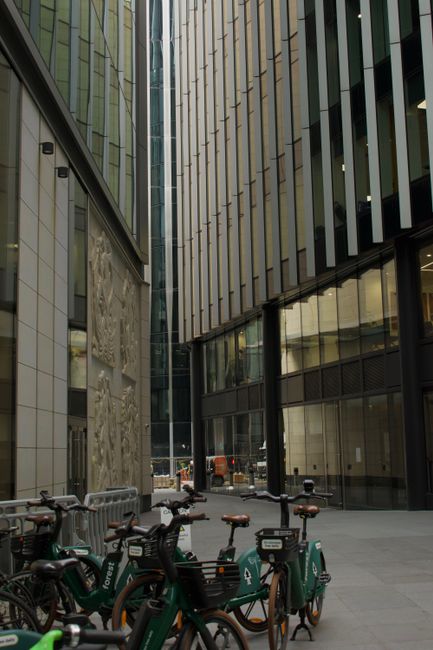
Office gardeners Blackfriars Queen Victoria Street courtyards: a practical guide for smarter outdoor workspaces
If you manage an office near Blackfriars or on Queen Victoria Street, you already know the courtyard is never just "outside space". It is the bit people notice before they notice the meeting room. It catches the morning light, the drizzle, the takeaway coffee cups, and the occasional last-minute client arrival. Good office gardeners in Blackfriars Queen Victoria Street courtyards help turn that in-between space into somewhere calmer, cleaner, and much easier to maintain.
This guide explains how courtyard garden care works in a busy city setting, what to expect from a professional service, and how to make sensible decisions without overcomplicating it. We will cover planning, maintenance, compliance, common mistakes, and the small details that make a courtyard feel cared for rather than merely cleaned. Let's face it, in central London, the little things matter.
Expert summary: A well-managed office courtyard should be safe, tidy, resilient in all seasons, and easy for building teams to keep on top of. The best results usually come from steady maintenance, thoughtful planting, and realistic plans for access, waste removal, and ongoing care.
Why office gardeners in Blackfriars courtyards matter
A courtyard in a dense business district has a different job from a private garden. It needs to look presentable, but it also has to cope with foot traffic, shade from surrounding buildings, wind tunnels, delivery activity, and the kind of wear that comes from being used every day rather than admired once a week. That is why specialist office gardeners in Blackfriars Queen Victoria Street courtyards are so useful. They understand that the space must work for people, not just photographs.
In practice, this can mean keeping access routes clear, making sure planting does not block drains or sightlines, and stopping the whole area from becoming tired or forgotten. A courtyard can become a little pocket of calm for staff breaks, informal chats, or waiting visitors. Or it can drift into a patch of moss, dead leaves, and forgotten planters. The difference is usually maintenance. Not glamorous, but true.
There is also a reputational side. Clients and colleagues tend to notice the entrance courtyard before they notice the marketing brochure. A tidy, healthy space signals care, attention, and competence. That is especially important in Blackfriars and along Queen Victoria Street, where businesses are often competing in a polished, high-pressure environment.
How courtyard garden care works
Professional courtyard gardening is usually built around a simple cycle: assess, plan, maintain, and review. Sounds straightforward. It is, although the details matter more than people think.
The first step is a site check. A gardener will normally look at light levels, drainage, planting condition, access limitations, and any safety issues. Courtyards in central London often have awkward corners, hard surfaces, planter boxes, and limited room for equipment. That shapes what can realistically be planted and how often maintenance is needed.
Next comes the plan. For office courtyards, the plan often includes regular tasks such as:
- litter and leaf removal
- weeding and soil surface care
- watering schedules or irrigation checks
- pruning and tidy shaping
- lawn care if turf is present
- hedge trimming or boundary plant shaping
- safe clearance of broken, dead, or overgrown material
If the courtyard has decking, seating, or built features, those may be coordinated with broader outdoor works. In some cases, simple improvements through landscaping or decking services can make maintenance easier by reducing awkward edges and improving the layout.
Then comes routine care. In office settings, that often means early access, careful working around staff, and keeping disruption low. The best teams work quietly and cleanly. You should not feel like the courtyard has been turned into a building site just because someone is trimming a hedge at 8:30 on a Tuesday.
Key benefits and practical advantages
The value of a well-kept courtyard is bigger than appearance alone. Yes, it looks better. But the benefits tend to stack up in practical ways.
- Better first impressions: A neat courtyard supports the overall image of the office and building.
- Safer movement: Regular maintenance helps reduce trip hazards, blocked walkways, and slippery build-up.
- Less long-term damage: Catching overgrowth, poor drainage, or dead planting early usually costs less than dealing with neglect later.
- More usable space: Staff are far more likely to use a courtyard that feels tidy, comfortable, and cared for.
- Lower admin headaches: A proper maintenance routine reduces emergency call-outs and last-minute scrambles before meetings or inspections.
There is also a subtle wellbeing effect. People tend to breathe a bit differently in a green, sheltered space, even if it is small. You see it at lunchtime: shoulders drop, conversations soften, and the whole place feels less compressed. For office life, that matters more than some people admit out loud.
If you want a broader service view before deciding what your courtyard needs, the services overview is a useful place to compare options across garden care, landscaping, clearance, and pruning.
Who this is for and when it makes sense
Office courtyard gardening makes sense for many different kinds of commercial sites. It is not just for large corporate headquarters with a glossy reception area. Smaller firms, professional practices, managed buildings, and mixed-use offices all benefit from the same basic principle: the outdoor area should be manageable and presentable without becoming a constant problem.
You may need regular office gardeners in Blackfriars Queen Victoria Street courtyards if:
- your courtyard is used by staff, visitors, or clients
- the planting has become overgrown or patchy
- you need reliable seasonal upkeep
- the space includes hedges, turf, shrubs, or trees
- your building team does not have the time or equipment for proper garden care
- you want a courtyard that looks good without demanding weekly emergency fixes
It also makes sense if your current setup is a bit stuck between "too little" and "too much". Too little care and the space becomes scruffy. Too much heavy-handed work and it starts looking bare, harsh, or expensive to keep alive. The sweet spot is usually a balanced, repeatable maintenance plan.
For sites with more demanding greenery, regular garden maintenance can be the most sensible route. If the area has grown messy or accumulated waste over time, garden clearance may be the better first step before any tidying or replanting begins.
Step-by-step guidance
If you are planning courtyard garden work for an office, it helps to follow a simple sequence. Skipping steps is where problems start. Always.
- Assess the courtyard in daylight. Look at shade, drainage, foot traffic, and problem areas. Note anything that affects access or safety.
- Define the purpose of the space. Is it mainly decorative, a staff break area, or a route between parts of the building? The answer changes the design.
- Decide what stays and what goes. Keep healthy planting where it works. Remove anything damaged, overcrowded, or difficult to maintain.
- Choose a maintenance level. Weekly, fortnightly, monthly, or seasonal care all have different implications. Be honest about the budget and usage level.
- Build in safety and access. Ensure paths are clear, surfaces are stable, and garden work can happen without disrupting building users.
- Set a realistic schedule. Courtyard care works best when it is regular. A one-off tidy can help, but it will not solve ongoing issues on its own.
- Review after the first cycle. After a month or two, check whether the planting, access, and workload are actually working. Small adjustments now save bigger headaches later.
One thing clients often underestimate is the time needed for disposal. Green waste, broken planters, and clearance material do not vanish by magic, sadly. If the area needs a reset, professional garden clearance can remove the clutter and make later maintenance far simpler.
Expert tips for better results
Over the years, the courtyards that stay attractive are usually the ones designed to be looked after easily. That is the real secret. Fancy planting is fine, but only if it suits the site and the available time.
Use robust planting in difficult corners. Shade, reflected heat, and limited watering can be brutal in central London courtyards. Choose plants that can actually cope with the conditions rather than fighting them every season.
Keep edges simple. The more complicated the border, the more likely it is to look tired. Clean lines are easier for office teams and contractors to maintain.
Think about sightlines. A few well-placed plants can soften a space without blocking security views, signage, or natural light. That balance is easy to miss.
Don't ignore small leaks or drainage issues. In a courtyard, water pooling can quietly damage paving, plant health, and safety. It is one of those problems that starts as "a bit damp" and becomes a nuisance six weeks later.
Prune for shape, not just size. Tidy cutting keeps shrubs and hedges healthy and controlled. If you leave it too long, the work becomes more disruptive and harder on the plant. Regular hedge trimming is often more efficient than occasional drastic cuts.
If trees are part of the courtyard design, keep an eye on canopy balance, deadwood, and clearance around buildings. In some cases, tree lopping and removal may be needed, but only when it is genuinely justified and handled carefully.
Common mistakes to avoid
There are a few errors that show up again and again in office courtyards. They are all avoidable, which is mildly annoying because that means the problems are usually self-inflicted.
- Choosing plants for looks only. A plant that looks beautiful in a nursery may be miserable in a windy, shaded courtyard.
- Leaving maintenance until it becomes a rescue job. This tends to cost more and creates more disruption.
- Overcrowding the space. Too many planters, benches, or decorative features can make the courtyard feel cramped and difficult to care for.
- Ignoring access for equipment. If a gardener cannot get tools, waste bags, or materials in and out cleanly, the job becomes slower and more expensive.
- Mixing hard and soft landscaping without a plan. Materials should work together, not fight each other.
- Assuming one-off tidying is enough. For office courtyards, it usually is not.
A quieter mistake is failing to agree what "tidy" actually means. One person wants minimal leaves. Another thinks a little natural texture is fine. A good contractor should help define the standard so nobody is left guessing.
Tools, resources and recommendations
You do not need to become a gardening specialist to manage an office courtyard well, but it helps to know what good maintenance usually involves. In commercial settings, reliable hand tools, compact cutting equipment, debris removal kit, and proper site protection all matter. The best results come from methods suited to a tight urban site, not from bringing in bulky gear that damages surfaces or gets in the way.
It also helps to think in systems rather than isolated jobs:
- Routine maintenance: keeps the courtyard presentable and prevents decline.
- Targeted planting care: protects shrubs, borders, and seasonal displays.
- Surface care: keeps paths, decking, and paved areas safe and usable.
- Seasonal review: adjusts for shade, weather, and changing use of the office building.
If you are comparing services, it may help to look beyond the obvious task list. For example, a courtyard with timber features may benefit from coordinated external works through decking services, while spaces that need a cleaner overall layout may be better served by broader landscape gardening.
And if the site has simply become overloaded with old pots, dead growth, or leftover materials, start with the basics first. A clear space is easier to improve than a crowded one.
Law, compliance, standards and best practice
For office courtyards, the most important thing is not legal jargon. It is safe, sensible working practice. That said, businesses in London do need to think carefully about access, hazard control, waste handling, and contractor competence. The details vary by site, and it is sensible to treat compliance as part of the planning, not an afterthought.
Best practice usually includes:
- clear communication about access times and site rules
- safe working around staff, visitors, and building operations
- appropriate insurance and risk awareness
- attention to slip hazards, trip points, and obstruction risks
- responsible waste handling and recycling where possible
- careful use of tools and machinery in confined spaces
If you are appointing a contractor, ask how they handle safety, liability, and site access. A credible provider should be able to explain their approach in plain English. You can also review the company's own insurance and safety information and health and safety policy before work begins. That is not overcautious. It is sensible.
Waste and sustainability are relevant too. Courtyard maintenance often creates green waste, and in many office environments it is worth asking how materials are reused, recycled, or disposed of. A clear approach to recycling and sustainability is a good sign that the service is thinking long term rather than just cutting and clearing.
Options, methods and comparison table
There is no single correct way to manage an office courtyard. The best method depends on size, budget, planting type, and how much the space is actually used. Here is a practical comparison.
| Approach | Best for | Pros | Limitations |
|---|---|---|---|
| One-off tidy | Space has become messy or neglected | Quick reset, useful before events or inspections | Does not prevent future decline |
| Regular maintenance | Busy office courtyards with ongoing use | Most reliable for appearance and safety | Needs a recurring budget and schedule |
| Seasonal visits | Low-traffic courtyards with simpler planting | Lower frequency, manageable for quieter sites | Can miss issues between visits |
| Full redesign | Spaces with poor layout, drainage, or old planting | Can solve structural problems and reduce upkeep | Higher upfront commitment |
For many businesses, the best route is not the fanciest one. It is the one that your office can sustain. A modest, well-kept courtyard is far better than an ambitious one that turns shabby after six weeks. Truth be told, that happens a lot.
Case study or real-world example
Consider a small professional office with a sheltered courtyard off Queen Victoria Street. The space had decent paving but tired planters, a few leggy shrubs, and a habit of collecting leaves in one damp corner. Staff liked the idea of using it, but in reality it was avoided.
The first visit focused on clearing debris, checking drainage, and cutting back overgrown material. A few plants were removed because they were struggling in the shade. The remaining planting was grouped more sensibly, with easier access for maintenance and a clearer central route. The contractor then set up a simple cycle of regular care: tidy-up, watering check, pruning, and seasonal review.
Nothing dramatic happened. No huge transformation showreel moment. But after a few weeks, the courtyard felt calmer, brighter, and more usable. Staff started taking short breaks there again. One visitor even commented that the space felt "oddly restful", which is probably the nicest compliment a courtyard can receive. A little leafy, a little quiet, and no drama.
Practical checklist
Before booking office gardeners for a courtyard in Blackfriars or on Queen Victoria Street, run through this checklist.
- Do we know how the courtyard is used day to day?
- Are there safety issues such as slippery areas, trip hazards, or blocked access?
- Do we want a one-off tidy, regular upkeep, or a redesign?
- Is the current planting suitable for the light and shade conditions?
- Are there trees, hedges, decking, or lawn areas that need specialist care?
- Is waste removal and recycling part of the plan?
- Have we checked insurance, safety, and working methods?
- Do we know what level of finish we actually need?
- Is there a realistic budget for ongoing maintenance?
- Have we agreed who signs off the work and who gets updates?
It sounds simple, but these questions stop a lot of confusion later. And they save time. Which is usually what the office needs most.
Conclusion
Office gardeners Blackfriars Queen Victoria Street courtyards are about more than keeping a few plants alive. They support the image, safety, and day-to-day usability of a business space that works hard in a crowded part of London. The best courtyards feel calm because they are planned carefully, maintained regularly, and matched to the realities of the site.
If you remember only one thing, make it this: a courtyard should be easy to live with. Not a burden, not a weekly surprise, not a patch of green that quietly turns into admin. With the right approach, even a compact office courtyard can become a proper asset. Quietly useful. A small place, but it can lift the whole building.
Get a free quote today and see how much you can save.
To learn more about the people behind the service, you can also read about us, or if you are ready to talk through your courtyard needs, use the contact page. A quick conversation is often enough to turn a vague problem into a straightforward plan.
Frequently Asked Questions
What do office gardeners in Blackfriars Queen Victoria Street courtyards usually do?
They typically handle routine maintenance such as pruning, weeding, clearing leaves, checking planting health, and keeping the courtyard tidy and safe. In some cases, they also manage clearance, layout improvements, or planting adjustments.
How often should a commercial courtyard be maintained?
That depends on use, planting type, and shade levels. Busy courtyards often benefit from regular visits, while quieter spaces may only need seasonal care. If the area looks good for a week and then slides back, the schedule is probably too light.
Can a small office courtyard actually be improved, or is it too limited?
Small courtyards can improve a lot with the right approach. In fact, tight spaces often respond well to simple layouts, good pruning, and better plant choices. Limited space is not a deal-breaker.
Is courtyard gardening different from normal garden maintenance?
Yes. Courtyards are usually more compact, more exposed to foot traffic, and more constrained by access and building use. That means the work needs to be more precise and often more carefully scheduled.
What if the courtyard has become overgrown and messy?
Start with clearance before maintenance. A site that has been neglected may need waste removal, cut-back work, and a fresh assessment before any long-term plan can work properly.
Do office courtyards need special safety considerations?
Usually, yes. Contractors should work safely around staff, visitors, entrances, surfaces, and access routes. The best practice is to keep walkways clear, manage tools carefully, and avoid creating hazards during the job.
What kind of planting works best in shaded London courtyards?
Planting needs to suit low light, wind, and sometimes reflected heat from surrounding buildings. Hardy, low-maintenance plants are often a better fit than high-care species that struggle in tight city conditions.
Can landscaping help reduce maintenance costs?
It often can. A smarter layout, improved surfaces, and better planting choices can make ongoing care easier. That said, a redesign only pays off if it solves a real problem rather than just changing the look.
How do I choose between a one-off tidy and a maintenance contract?
If the courtyard only needs a reset before an event or inspection, a one-off tidy may be enough. If the space is used regularly and needs to stay presentable, an ongoing maintenance plan is usually the better fit.
Should I ask about insurance and health and safety before booking work?
Absolutely. In commercial settings, it is sensible to confirm insurance, working methods, and risk awareness before any work starts. You are dealing with a business environment, not a back garden with infinite time.
What services are most relevant if the courtyard includes hedges or trees?
Hedges often need trimming to stay compact and healthy, while trees may need inspections, pruning, or removal if they are diseased, unstable, or too large for the space. Good planning keeps both the planting and the building safer.
How do I get started if I am not sure what the courtyard needs?
Begin with a site review and a clear discussion of use, budget, and maintenance expectations. From there, a sensible plan can be built around the real conditions on site rather than assumptions.