Gardening Services in Blackfriars

Gardening services in Blackfriars need to work carefully with compact outdoor spaces, shared access points and a mix of domestic and commercial settings. Our service covers practical garden work that helps keep beds, paths, lawns and planted areas orderly, healthy and usable throughout the year. Whether the task is routine maintenance or a fuller seasonal tidy, the aim is to provide reliable gardening support that suits the space rather than forcing it into a one-size-fits-all routine.
We handle planned garden maintenance, lawn mowing, hedge trimming, garden clearance, tree lopping and removal, decking services, landscape gardening and broader landscaping work. Our services overview is a useful starting point if you want to compare the available options and decide which combination of tasks best fits your outdoor area. The work can be arranged as a one-off visit or as part of a regular programme, depending on the condition of the garden and the level of upkeep it needs.
If you are looking for clear next steps, pricing and quotes explains the usual way to request a quotation, while we can also discuss the practical details of access, timings and the type of work required. For the quickest response, send a short description of what needs doing and ask for a quotation when you are ready.
Garden maintenance for ongoing care
Garden maintenance is often the most useful option when a site already has the right structure but needs regular attention to stay neat and manageable. Our maintenance work can include general tidying, pruning, edging, weeding, light seasonal clearance and checking that growth is not starting to dominate paths, borders or entrance areas. This kind of service is especially helpful where a space is used often and needs to look presentable without becoming overworked or stripped back unnecessarily.
We plan maintenance around the condition of the garden rather than a fixed list of tasks that may not suit the site. That means a tidy courtyard, a narrow front area or a larger planted garden can each be treated differently. Where a client wants continuity, the work can be arranged so that each visit builds on the last one, keeping the overall finish consistent while allowing for changes in weather, plant growth and the season. Garden maintenance is therefore best viewed as steady care, not just a quick tidy-up.
What regular maintenance can include
Regular visits can cover several practical jobs that keep the garden in order and reduce the amount of catch-up work later on. Common tasks include keeping edges sharp, preventing planting from spilling into walkways, lifting debris from lawns or beds, and dealing with small problem areas before they become harder to manage. In many gardens, these smaller actions are what preserve the finish and make the whole space easier to enjoy.
Lawn mowing and hedge trimming

A well-kept lawn and tidy hedge line can make the biggest visual difference to a garden, so these services are often requested alongside broader maintenance. Lawn mowing is not only about cutting grass to a neat height; it also involves paying attention to finish, clipping control and the shape of the space. Different lawns benefit from different approaches, especially where there are narrow strips, shaded sections or edges that need careful handling around paving, beds or steps.
Lawn mowing is suitable for gardens that need a clean, even result without unnecessary disturbance to surrounding planting. Hedge trimming works in a similar way, but with more attention to shape, density and the effect of growth on light and space. We can trim hedges to improve their outline, reduce encroachment and help keep boundaries clear. Hedge trimming is particularly useful where growth affects entrances, paths or neighbouring sections of the garden.
When these services are combined, the result is usually more balanced than treating each area separately. A tidy hedge helps frame a lawn, and a maintained lawn gives the rest of the garden a more deliberate appearance. Where required, we can coordinate mowing and trimming with the rest of the maintenance schedule so the work supports the same overall finish rather than competing with it.
Garden clearance and removal of overgrowth
Garden clearance is the right choice where a space has become cluttered with cuttings, fallen material, unwanted growth or general outdoor waste that needs removing before the area can be used properly again. This can involve clearing beds, borders, corners and hard-to-reach sections that have gathered debris over time. The aim is to open the space up in a controlled way, leaving it ready for follow-up maintenance, planting or other improvements.
For neglected gardens, clearance often works best in stages. Heavy growth may need cutting back first, then lifting and removal of waste, then a second look at the shape of the site to decide what should remain. Garden clearance is useful when the immediate priority is to restore order and make the outdoor area accessible again. If the garden contains larger woody growth or obstructive branches, the work can be discussed alongside tree-related tasks rather than handled as a purely cosmetic tidy.
Clearance also helps when people are planning to rework a garden but need the space stripped back before anything else can begin. That can be a practical first step before new landscaping, new planting or a simpler maintenance arrangement. Start with the removal of clutter, then decide what level of follow-on work will make the space manageable in the long term.
Landscaping and landscape gardening
Where a garden needs more than routine maintenance, landscaping offers a structured way to improve layout, surfaces and planted areas. This work may involve redesigning parts of the garden, replacing tired sections, shaping borders, adjusting levels or bringing several elements together so the whole space functions more effectively. The most useful landscaping decisions are usually practical ones: how the garden is used, where people walk, what needs to be kept clear and which areas deserve more emphasis.
Landscape gardening suits projects that involve plant selection, border structure and the overall presentation of the garden. Landscaping can include hard and soft elements together, which is helpful when the outdoor area needs both visual improvement and better day-to-day usability. We approach this work with attention to the existing conditions of the site, because drainage, light levels, boundary lines and access all influence what will work well in practice.
- Reworking borders for a cleaner layout and better planting balance
- Refreshing tired sections that no longer suit the rest of the garden
- Improving flow between lawn, paths, planting and seating areas
- Creating a simpler structure that is easier to maintain
Decking services and practical outdoor surfaces
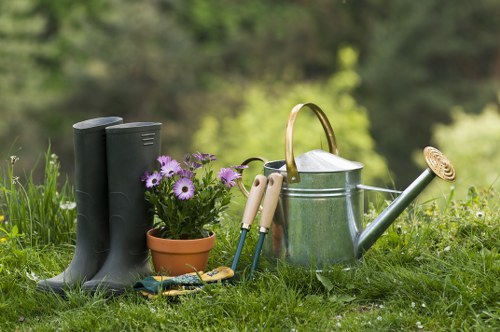
Decking can be a valuable part of a garden where a raised, level or defined surface is needed for seating, access or a more structured finish. Our decking services focus on the practical side of the work, including installation and related improvements that make the surface fit the garden properly. Decking is often chosen where a client wants a usable platform that works well alongside planting, paving or lawn areas, without overpowering the rest of the outdoor space.
Decking services are most effective when the shape, position and purpose of the deck are considered together. A smaller area may benefit from a simple, neat structure, while a larger space might need more careful integration with steps, borders or changes in level. We can discuss how decking sits within the wider garden so that the finished result looks deliberate and supports everyday use rather than sitting awkwardly within the layout.
Good decking work also depends on maintenance after installation, especially where the surface is exposed to the weather and regular foot traffic. Keeping the surrounding garden tidy helps the deck remain part of a coherent finish. When appropriate, we can coordinate decking with landscaping or maintenance work so that borders, paths and access points all complement each other. Useful outdoor surfaces should feel easy to live with, not difficult to look after.
Tree lopping and removal
Tree lopping and removal is a more specialised part of garden work, used when branches, height or overall tree condition are affecting the safety, light levels or practical layout of the space. The service can include cutting back overextended growth, reducing obstruction, removing problematic branches or taking a tree out where that is the appropriate solution. Because trees can affect structures, neighbouring areas and access routes, this work is best planned with care rather than approached as a quick cut-and-clear task.
Tree lopping and removal may be suitable where branches are encroaching on a garden, blocking light or creating pressure on the surrounding area. We can look at the extent of the growth and consider whether selective lopping, fuller reduction or complete removal is the right approach. In every case, the aim is to make the result practical and proportionate to the site.
Tree work often links naturally with clearance or maintenance. Once major growth is reduced, the rest of the garden can be brought back into a better state more easily. It also allows other tasks, such as hedge trimming or border work, to be completed with less obstruction. If a tree is part of a larger planting scheme, we can keep the wider garden context in mind rather than treating the tree as an isolated feature.
Preparing your enquiry and quotation
When you request a quotation, it helps to describe the garden in plain terms and mention the work you want carried out. A short note about the size of the area, the main tasks and any awkward access points is usually enough to begin. If the garden has a mixture of overgrowth, lawn care and border work, grouping those details together makes it easier to identify the right service combination and avoid unnecessary back-and-forth.
If you already know which parts of the garden matter most, mention them first. For example, some clients want the front area presented neatly, while others need the rear garden cleared before maintenance can begin. You do not need a long explanation; just enough detail to show the condition of the space and the type of finish you want. Contact us when you are ready to discuss the work and request a quotation.
What to include in a brief request
A concise enquiry might mention the service type, the general condition of the garden, whether access is straightforward and whether the work is a one-off or part of a longer plan. That gives a useful starting point without overcomplicating the process. A clear request is often the quickest route to a sensible quote, because it lets the work be matched to the site from the beginning.
About Blackfriars

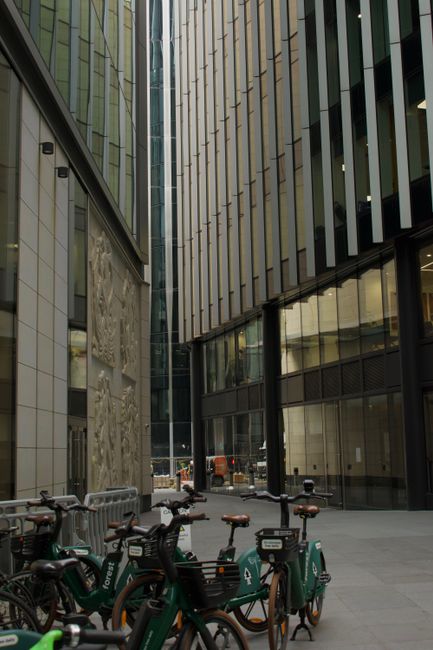
Blackfriars is a central part of London on the north bank of the River Thames, closely associated with the historic precinct that gave the area its name. The district takes its name from the Dominican friars, known as Black Friars, who settled there in the Middle Ages. Today it sits between the City of London and the South Bank, with Blackfriars Bridge and Blackfriars Station acting as well-known reference points. The station lies on the Thameslink route and the area is also notable for its river frontage, which brings together transport, business and residential uses in a compact urban setting. Blackfriars has long been shaped by change: monastic history, riverside commerce, Victorian and later rebuilding, and the twentieth-century reshaping of central London all leave their mark on the streetscape. The surviving and reconstructed elements around the area sit beside modern office buildings, hotels and apartments, making the district visually mixed rather than uniform. Nearby landmarks include the River Thames itself, the dense network of City streets to the north and the cultural activity of the South Bank to the south across the river. The area’s position has also made it a useful crossing and connection point for centuries, and that role continues through rail, road and pedestrian links. Although compact, Blackfriars has a distinct identity within central London, with its riverside setting, transport significance and layered history all contributing to its character.
Keeping gardens presentable through the year
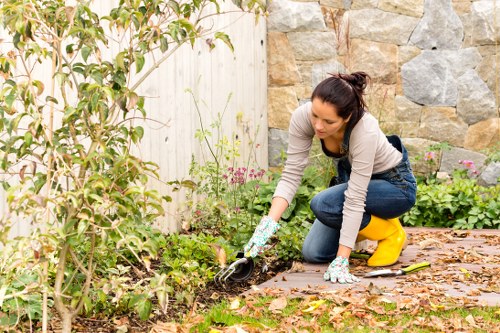
Seasonal changes affect every garden, but they can be especially noticeable in smaller or more exposed urban spaces. Leaves, cuttings, soft growth and weather-related debris can build up quickly, which is why a garden often benefits from attention at regular intervals rather than waiting until everything has become harder to manage. Our work is designed to support that steady upkeep, so the garden remains usable and does not drift into neglect between larger visits.
In practice, that may mean alternating between mowing, trimming, clearance and general maintenance as the condition of the site changes. Some gardens need a lighter touch, with simple upkeep preserving an already tidy layout. Others need a more structured plan that starts with clearance and moves into a more manageable routine. We can help shape that sequence so the work remains practical and appropriate to the condition of the space. About us gives further background, while the main point here is straightforward: if your garden needs attention, we can help you choose the right level of service.
Request a quotation today and we will help you match the work to the garden, the finish you want and the amount of attention the space needs.
Choosing the right mix of services
Some gardens only need one task carried out well, while others benefit from several services combined into a single visit or a planned sequence. For example, mowing and hedge trimming may restore shape quickly, while clearance and maintenance can prepare a neglected garden for more regular care. Landscaping or decking may be better suited to improving the structure of the space itself. The best approach depends on what is already there and what the garden needs to become.
Because the service list is broad, it can be useful to think about the garden in terms of priority. What needs attention first? What will make the biggest difference to appearance and access? What should be left in place because it is already working well? Those questions often point to the right combination of work. Recycling and sustainability is also relevant when removed material needs to be handled responsibly as part of the wider job.
If you are weighing up different options, start with the essentials and build from there. A clear plan usually leads to a better result than trying to do everything at once. We can help you decide whether maintenance, clearance, landscaping or a more specific service is the most sensible fit for the garden in its current state.