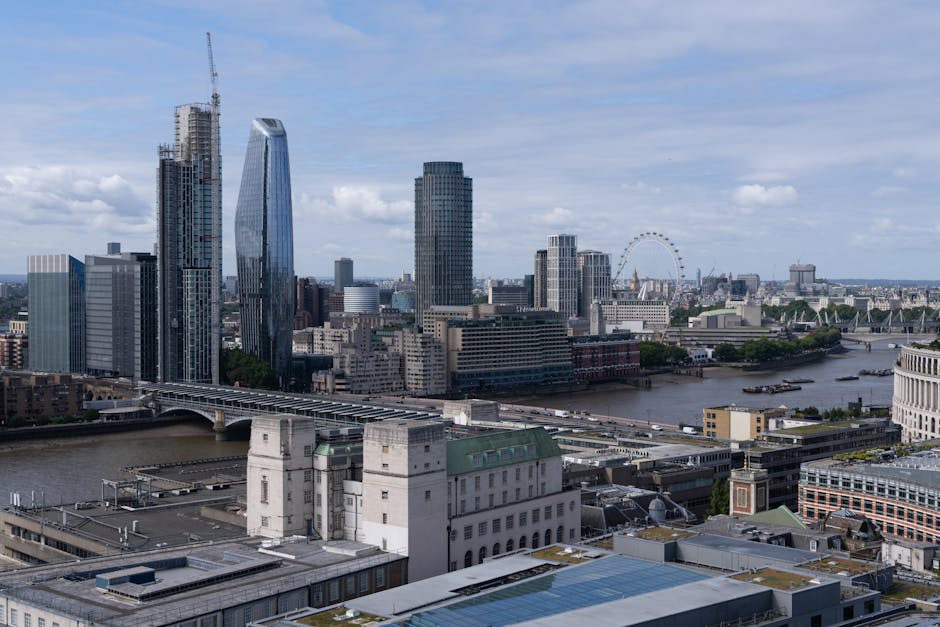
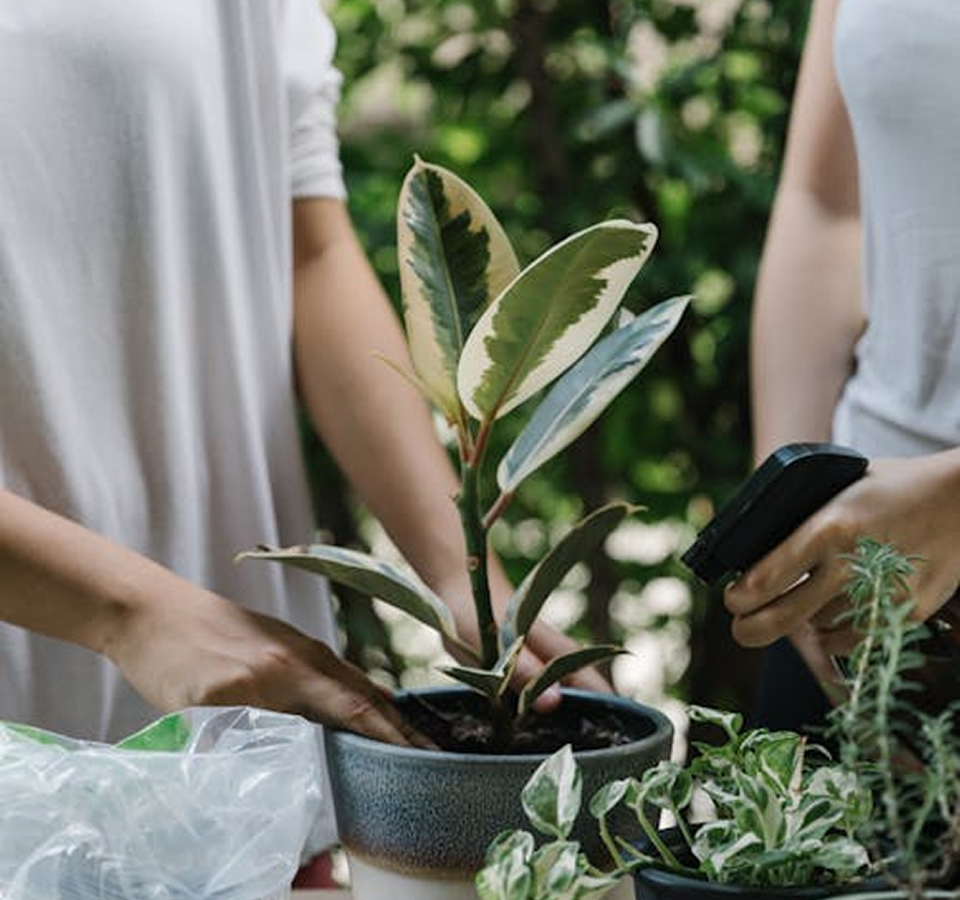
Blackfriars Bridge Garden Maintenance for Riverside Flats
If you live or manage a riverside flat near Blackfriars Bridge, you already know the outside space has a life of its own. Wind funnels between buildings, moisture hangs around longer than you expect, and planting can look brilliant one week and a bit ragged the next. That is exactly why Blackfriars Bridge Garden Maintenance for Riverside Flats needs a smarter, more consistent approach than a typical small garden or balcony tidy-up.
In this guide, we'll look at what reliable riverside garden maintenance involves, why it matters for flats and shared developments, and how to keep planting, paths, and communal spaces looking calm rather than chaotic. You'll also find practical steps, common mistakes, a comparison of maintenance approaches, and a checklist you can actually use. No fluff. Just the useful stuff, explained properly.
For residents, concierge teams, and property managers, the aim is simple: tidy, healthy, safe outdoor spaces that still feel welcoming. For a broader view of the services that support that outcome, you may also want to review the full services overview and the company's approach in the about us page.
Table of Contents
- Why Blackfriars Bridge Garden Maintenance for Riverside Flats Matters
- How Blackfriars Bridge Garden Maintenance for Riverside Flats Works
- Key Benefits and Practical Advantages
- Who This Is For and When It Makes Sense
- Step-by-Step Guidance
- Expert Tips for Better Results
- Common Mistakes to Avoid
- Tools, Resources and Recommendations
- Law, Compliance, Standards, or Best Practice
- Options, Methods, or Comparison Table
- Case Study or Real-World Example
- Practical Checklist
- Conclusion
- Frequently Asked Questions
Why Blackfriars Bridge Garden Maintenance for Riverside Flats Matters
Riverside flats around Blackfriars Bridge face a specific set of outdoor conditions. The location is busy, exposed, and often visually sensitive. Gardens and communal planters do not just need to look nice; they need to work hard in a space where people pass through quickly, water drains differently, and plants can get battered by river air and urban shade.
That matters for three very practical reasons.
- First, presentation. Shared outside areas shape how a building feels the moment someone arrives. A crisp entrance bed, trimmed hedges, and healthy planters can make even a compact courtyard feel looked after.
- Second, safety. Overgrown planting, slippery surfaces, dead leaves, and blocked drains are not just untidy. They can create trip hazards and drainage problems, especially after rain or in winter.
- Third, plant survival. Riverside microclimates can be awkward. Salt-laden air, reflected heat from nearby structures, and occasional wind tunnels all influence what thrives and what sulks.
To be fair, many flat developments only notice the garden when something goes wrong. A planter tips over. Ivy climbs where it shouldn't. Moss creeps across paving. Then everyone wants a quick fix. Regular maintenance avoids that scramble. It also protects the reputation of the building, which sounds a bit corporate, but it's true.
Expert summary: In riverside apartment settings, garden maintenance is really about consistency. Small, regular visits usually deliver better results than occasional heavy clear-ups, because the space stays presentable, plants stay healthier, and problems are easier to catch early.
Where developments have multiple stakeholders - residents, managing agents, freeholders, or leaseholders - clear communication matters too. If maintenance is part of a wider service package, it can help to understand the provider's policies on terms and conditions, insurance and safety, and health and safety policy.
How Blackfriars Bridge Garden Maintenance for Riverside Flats Works
Good garden maintenance for riverside flats starts with a site-specific plan. That sounds formal, but all it really means is this: the work should match the space. A raised terrace with planters is not the same as a communal rear garden, and neither one behaves like a sheltered courtyard or roof-edge planting scheme.
A typical maintenance process usually includes a site visit, a conversation about priorities, and then a routine schedule. Some buildings need weekly visits in the growing season, while others only need a lighter fortnightly rhythm. The right answer depends on planting style, footfall, exposure, and how much residents use the space.
The practical tasks often include:
- mowing or trimming where grass is present
- deadheading flowers and removing spent growth
- hedge and shrub shaping
- weeding beds, joints, and planters
- litter and leaf clearance
- checking watering needs in dry spells
- monitoring for pests, disease, or stress
- keeping pathways, entrances, and edges neat
In riverside settings, the maintenance team also needs to think about drainage and debris. Leaves can gather in corners fast. Silt, blossom, and windblown litter can collect in the same place every week. You notice it most after a wet spell, when surfaces suddenly look dull and tired. A good gardener spots those trouble points early and works around them before they become a bigger job.
Some properties also benefit from seasonal adjustments. Spring might focus on recovery and shaping. Summer leans toward watering, deadheading, and keeping everything from looking overgrown by Friday afternoon. Autumn is usually about leaf fall, pruning, and preparing for wetter conditions. Winter tends to be calmer, though not always quieter. Wind does not care about your calendar.
If you want maintenance that is planned and budgeted clearly, it can help to review pricing and quotes early, rather than waiting until the garden is already looking rough. That way, expectations are set before the first visit, which saves a lot of back-and-forth later.
Key Benefits and Practical Advantages
The obvious benefit is a nicer-looking garden. But in real life, the value goes further than appearances. Shared outdoor spaces in apartment developments play a surprising role in how people experience the whole building.
Here's what regular maintenance does well.
- Creates a better first impression. Residents, guests, and prospective buyers or tenants notice tidy planting and clean borders immediately.
- Supports healthier planting. Pruning, feeding, and timely watering help prevent the sort of decline that makes people think the garden is "just difficult."
- Reduces complaints. A lot of resident frustration comes from small issues that keep repeating: messy entrances, weeds in paving cracks, dead plants in planters. Regular work reduces the noise.
- Improves usability. People are more likely to sit out, walk through, or enjoy communal space when it feels cared for.
- Helps control long-term costs. Early intervention is usually cheaper than a major reset. Letting things go for months can mean replacing whole beds, not just trimming them.
There's also a quieter benefit: confidence. When management knows the outdoor space is being watched properly, there's less anxiety about what a resident might report next. That's worth something. Ask anyone who has had to deal with the same complaint three times in one month.
And then there is sustainability. A good maintenance routine can support greener practices through sensible pruning, responsible waste handling, and seasonal planting choices. If that matters to your building or residents, it is worth looking at the company's recycling and sustainability approach.
Who This Is For and When It Makes Sense
This kind of service is not just for large luxury developments. In fact, smaller riverside apartment buildings often benefit just as much, because they rarely have the in-house capacity to keep outdoor areas on top form.
Blackfriars Bridge garden maintenance is usually a good fit for:
- managing agents looking after communal outdoor space
- freeholders responsible for presentation and upkeep
- resident-led blocks that need regular, dependable maintenance
- buildings with terrace planting, entrance beds, or shared courtyards
- properties where the outside space is a selling point
- flat developments with recurring weed, leaf, or drainage issues
It also makes sense when there is a pattern to the mess. For example, if the same bed always looks tired after a windy week, or if the communal entrance always collects wet leaves, you do not need a dramatic redesign. You need a routine that stays one step ahead.
Sometimes the trigger is more subtle. A building may already look "fine" from a distance, but residents start to notice the details: patchy planting, dry pots, fading shrubs, or a corner that always smells damp after rain. Those are the signs that maintenance is slipping from active care into reactive tidying. Not ideal.
If you are still comparing providers, it is sensible to check whether the team seems set up for ongoing property work rather than one-off garden clearances. The right fit is often revealed in the way they talk about scheduling, communication, and safety. A useful starting point is the services overview alongside the company's background and approach.
Step-by-Step Guidance
Here is a practical way to think about setting up garden maintenance for a riverside flat development.
- Assess the space properly. Walk the site in daylight and note the condition of planting, hard surfaces, drainage, access routes, and any awkward corners.
- Define what "good" looks like. Is the goal a showy entrance, low-maintenance greenery, improved resident enjoyment, or simply a tidy, safe communal area? Be specific.
- Separate urgent tasks from routine tasks. Some jobs, like clearing a blocked path or removing hazardous debris, need prompt attention. Others, like shaping shrubs, can follow the schedule.
- Choose a maintenance frequency. Weekly, fortnightly, or seasonal care can all work, depending on plant growth and use of the space.
- Set access arrangements. Decide who unlocks gates, how residents are informed, and whether work should happen at certain times of day to avoid disruption.
- Agree the scope in writing. Make sure everyone understands what is included: bed weeding, edging, pruning, waste removal, watering, or replanting.
- Review after the first few visits. Riverside spaces often reveal surprises once the routine starts. Adjust frequency or tasks if the garden behaves differently than expected.
One small but useful habit: take a quick photo record before major work begins. It helps everyone see progress without getting into endless memory-based debates, which can be surprisingly common in shared buildings. "Didn't that bed used to look better?" Yes, possibly. A picture settles it.
When the work involves routine service visits, make sure booking, invoicing, and payment methods are clear too. A little admin clarity goes a long way, so it may help to review payment and security details before work begins.
Expert Tips for Better Results
A few practical details make a huge difference in riverside settings. These are the things that tend to separate a merely acceptable result from one that stays sharp week after week.
- Choose plants for exposure, not just looks. Pretty is great, but if the site is windy and partly shaded, tough planting usually wins long term.
- Use mulch where appropriate. It helps retain moisture and slows weed growth. Handy, especially during warmer periods when planters dry out quickly.
- Do not wait for plants to fail before adjusting care. If foliage is crisping or leaves are yellowing, the issue may be watering, drainage, or light. Respond early.
- Keep edges crisp. Clean bed lines and trimmed margins make the whole garden feel more intentional, even when planting is simple.
- Plan for waste removal. It sounds mundane, but piles of green waste sitting around a building create a poor impression fast.
A small human truth here: a garden rarely needs more drama. It needs rhythm. A little pruning, a little weeding, a little attention after weather changes. That's usually enough.
If your building serves residents with mobility or access needs, make sure paths are kept clear and maintenance work does not create temporary barriers. For anyone comparing providers, accessibility and clear communication can matter more than flashy promises. The site's accessibility statement can also be a useful trust signal when judging how seriously a business thinks about inclusive access.
Common Mistakes to Avoid
There are a few recurring mistakes that show up in apartment garden maintenance again and again. None of them are mysterious. They are just easy to miss when everyone is busy.
- Using the wrong maintenance frequency. Too little attention leads to overgrowth; too much without clear purpose wastes budget.
- Ignoring seasonal change. A schedule that works in April may not suit August or November. Plants and weather will not politely wait.
- Assuming one tidy-up is enough. In a riverside setting, one-off work can look good for a week, then slide back quickly.
- Over-pruning. Cutting too hard can leave shrubs stressed or thin-looking, especially in exposed urban spaces.
- Forgetting drainage and debris. A neat bed is nice. A blocked drain is not. The two often go together.
- Not defining responsibility. If nobody knows who handles watering, deadheading, or reporting issues, things quietly slip.
One thing people often underestimate is how quickly communal spaces reveal inconsistency. A missed visit is visible. A poor cut is visible. A planter left dry for too long is visible. Harsh, maybe, but true.
Another common issue is waiting until residents complain before acting. That tends to turn a manageable maintenance issue into a reputational one. And those are harder to unwind.
Tools, Resources and Recommendations
The right tools depend on the planting scheme, but riverside flat maintenance usually benefits from a practical, adaptable setup rather than a big, complicated one. Clean tools, safe working methods, and good waste handling matter more than fancy kit.
Commonly useful items include:
- sharp hand shears for precise trimming
- lightweight pruning tools for shrubs and climbers
- loppers for thicker stems where appropriate
- gloves, eye protection, and sturdy footwear
- watering equipment suitable for planters and container beds
- litter pickers and leaf rakes for shared areas
- bags or containers for green waste collection
Recommendations are usually more useful than kit lists. For example, if your garden has several planters exposed to wind, choose species that tolerate drying out and install a maintenance schedule that includes watering checks in hot spells. If the site is shaded by neighbouring buildings, focus on plants that tolerate lower light rather than fighting the space. Nature wins those arguments, every time.
It also helps to work with a provider that has straightforward service information, transparent quoting, and clear policies around safety and conduct. If you are shortlisting a team, reviewing their contact details and support pages can help you judge how easy they are to deal with before you commit.
Law, Compliance, Standards, or Best Practice
For flats and managed properties, garden maintenance is not usually a heavily regulated activity in itself, but it does sit alongside a few important duties and expectations. The main point is simple: work must be carried out safely, with proper attention to access, risk, and the building's shared environment.
In practice, that means keeping an eye on:
- Health and safety planning. Tools, trip hazards, working near residents, and waste movement should all be handled carefully.
- Insurance and risk management. It is sensible to use a provider that is insured for the type of work being carried out.
- Clear boundaries around responsibility. Who maintains what? Who approves extra work? Who reports defects? That should not be guessed at.
- Data and communication practices. If a business handles resident details or access arrangements, privacy should be treated seriously.
Best practice in shared developments usually means predictable scheduling, documented scope, safe working methods, and prompt reporting of issues that fall outside routine gardening. Sometimes the gardener is the first person to spot a slippery patch, a broken planter edge, or signs of poor drainage. That early notice is valuable.
If your development prefers to understand the provider's internal standards, the pages on health and safety policy, insurance and safety, and privacy policy are worth reviewing. They do not make the garden prettier, obviously, but they do help build trust. Which counts for a lot.
Options, Methods, or Comparison Table
There is more than one way to maintain a riverside flat garden. The right method depends on budget, planting style, and how much consistency you need.
| Approach | Best For | Strengths | Limitations |
|---|---|---|---|
| One-off clearance | Neglected spaces needing a reset | Quick visual improvement, useful after a long gap | Does not maintain standards for long; issues return fast |
| Scheduled routine maintenance | Most riverside flat gardens and communal areas | Consistent appearance, healthier planting, fewer complaints | Needs planning and regular budget commitment |
| Seasonal maintenance only | Lower-use or simpler planting schemes | Lower frequency, useful where growth is limited | Can miss fast-growing issues between visits |
| Reactive call-out support | Occasional issues or urgent fixes | Flexible for sudden problems | Not ideal for overall presentation or long-term care |
In most apartment settings, routine maintenance wins. It is not glamorous, but it is reliable. And reliability is what shared spaces need. A one-off overhaul can feel satisfying, sure, but it is the steady approach that keeps the riverside edge looking calm on a Tuesday morning in October, when the weather is doing its own thing.
Case Study or Real-World Example
Here is a realistic example based on the sort of work that often comes up in Blackfriars Bridge-style riverside developments.
A mid-sized apartment block had a neat entrance area, but the side planters kept deteriorating. Wind dried out one side faster than the other, weeds appeared in the same corners every time, and after wet weather the paving at the edge looked stained and untidy. Residents were not unhappy exactly, just a little fed up. The space felt like it was always almost tidy, which is a frustrating place to be.
The solution was not a big redesign. It was a maintenance plan with a better rhythm:
- weekly checks during the growing season
- targeted pruning rather than heavy cuts
- more regular watering for the exposed planters
- clearer litter and leaf removal after windy days
- seasonal replacement of tired planting rather than waiting too long
After a few visits, the space stopped looking "decent if you don't look too closely" and started looking properly maintained. That sounds like a small shift, but in shared housing it changes the feel of the building. Residents notice. Visitors notice. Even the person carrying shopping in at 6:30pm notices, which tells you plenty.
That kind of result is often what people want from Blackfriars Bridge garden maintenance: not just improvement, but steadiness.
Practical Checklist
Use this checklist when planning or reviewing garden maintenance for a riverside flat development.
- Site condition assessed - planting, paths, drainage, and access points checked
- Maintenance goals agreed - presentation, safety, resident use, or all three
- Schedule chosen - weekly, fortnightly, seasonal, or mixed
- Scope confirmed - mowing, pruning, weeding, watering, waste removal, and extras
- Access arranged - keys, codes, timings, and resident notifications planned
- Safety reviewed - trip hazards, tools, and working areas considered
- Waste disposal planned - clippings and green waste removed properly
- Communication set up - who reports problems, who approves additional work
- Seasonal changes built in - planting, watering, and pruning adjusted across the year
- Review date booked - so the arrangement can be improved if needed
If you can tick most of those boxes, you are in good shape. If not, that's fine too. The point is to spot gaps early, not pretend they aren't there.
Conclusion
Blackfriars Bridge Garden Maintenance for Riverside Flats is really about protecting the look, feel, and usability of shared outdoor space in a demanding location. Riverside flats need maintenance that is regular, careful, and tailored to exposure, drainage, and resident use. The best results come from consistency, not heroic clean-ups after the fact.
Whether you manage a compact courtyard, a raised terrace, or entrance planters that need extra attention through the seasons, the right maintenance plan can make the building feel calmer and more cared for. That is good for residents, good for presentation, and frankly good for everyone who has to walk past it on a wet Monday morning.
If you are comparing options or getting a schedule in place, it is worth taking a close look at the provider's service information, safety standards, and quote process so there are no surprises later on. A little structure now saves a lot of trouble later.
Get a free quote today and see how much you can save.
And if you want to understand the wider service relationship before moving forward, you can also review the pricing and quotes, terms and conditions, and complaints procedure pages. Clear, simple, no mystery. That's usually the nicest way to do it.
Frequently Asked Questions
What does Blackfriars Bridge garden maintenance for riverside flats usually include?
It commonly includes weeding, pruning, hedge trimming, deadheading, leaf clearance, watering checks, litter removal, and general tidying of communal planting and access areas. The exact scope should be agreed in advance.
How often should a riverside flat garden be maintained?
That depends on the planting and the level of exposure, but weekly or fortnightly visits are often more effective than occasional heavy clear-ups. Riversides tend to show wear quickly, especially in windy or wet spells.
Why are riverside gardens harder to maintain than normal urban gardens?
They often deal with stronger wind, faster drying in some areas, more damp in others, and extra debris from the environment. The balance can be a bit awkward, honestly, which is why routine care matters so much.
Can a small flat development still benefit from regular garden maintenance?
Yes. Smaller blocks often benefit the most because they rarely have an in-house team to keep things under control. Even a few planters and a modest entrance bed can change the feel of the building when maintained properly.
What are the biggest signs that maintenance is overdue?
Common signs include weeds breaking through paving, tired or dry planting, overgrown edges, leaf build-up, blocked drainage points, and a general look of neglect around entrances or shared terraces.
Is one-off garden clearance enough for a riverside flat block?
It can improve the space quickly, but it usually does not solve the underlying issue. For shared residential gardens, a routine maintenance plan is normally a better long-term option.
How do I choose the right maintenance plan for my property?
Start by looking at footfall, planting type, exposure, and how visible the garden is to residents and visitors. Then decide whether the priority is presentation, safety, resident enjoyment, or a mix of all three.
What should I ask before booking a garden maintenance service?
Ask what is included, how often visits will happen, how waste is removed, whether the team is insured, and how changes or extra work are handled. It also helps to check the company's service overview and quote process.
Are there safety issues to consider in communal garden maintenance?
Yes. Shared paths, tools, uneven surfaces, wet leaves, and moving waste all create possible hazards. A responsible provider should work with a clear health and safety approach and manage access carefully.
Can garden maintenance help with resident complaints?
Absolutely. Many complaints come from small but repeated issues such as weeds, litter, overgrowth, or poor presentation. A steady maintenance schedule usually reduces those complaints before they build up.
Do I need to worry about sustainability in garden maintenance?
If sustainability matters to your building, yes. Good practice can include sensible waste handling, careful pruning, appropriate plant choices, and avoiding unnecessary replacements. It is worth asking how green waste is managed.
What if my building has accessibility concerns?
Then garden maintenance should be planned around clear, unobstructed access routes and safe movement through the space. Maintenance should not make shared paths harder to use, even temporarily, without proper planning and communication.